Korea's real estate PF turmoil tightens developer financing in late 2022
Stress in South Korea's project financing market from autumn 2022 made bridge loans and main PF loans harder for housing developers to secure.
This summary was written by AI to complete the context; it is not based on a current source.
In autumn 2022, South Korea's real estate project financing (PF) market came under heavy strain. PF is the system in which developers borrow against a future project's expected sales, usually in two stages: short-term bridge loans to start work, then larger main PF loans for construction.
The turmoil followed rapid interest rate rises and a cooling housing market. In late September, a Gangwon Province-linked developer behind the Legoland Korea project failed to repay a short-term PF-backed debt. The episode alarmed investors in short-term bond markets, where many such loans were funded, and lenders became wary of similar exposures.
As a result, securities firms, savings banks and other lenders tightened credit, and bridge loans and main PF financing became harder and costlier for housing developers to obtain. Authorities responded with emergency liquidity measures, including a large bond market stabilization fund announced in October. The squeeze left some projects delayed or stalled, and it became a lasting source of concern for housing supply and for the financial sector.
Story timeline
South Korea housing supply support center · 3 updates
What happened before and after this story. Background events not previously covered were summarised by AI.
More in: Money
See all →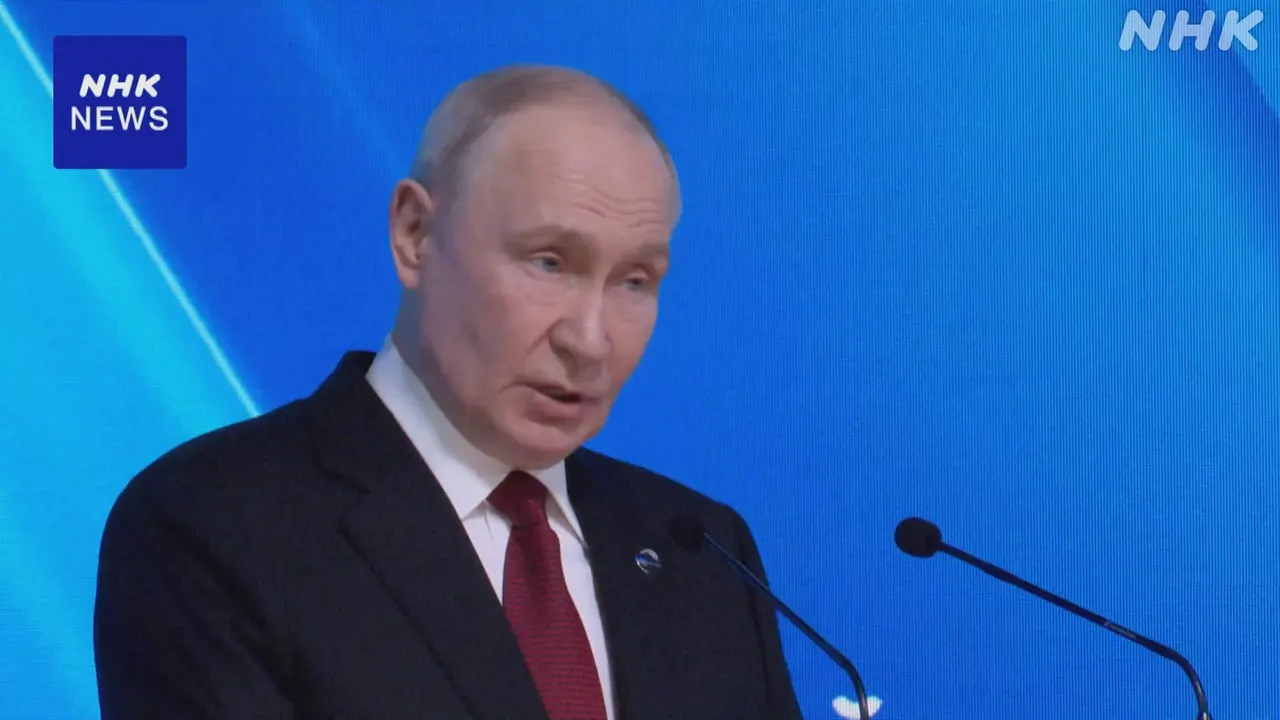
Putin puts four Japan Tobacco factories in Russia under temporary control

Lotte Himart kicks off its biggest appliance sale of the year, running through Nov. 30
Samsung Electronics is getting a sixth labor union amid reports of internal rifts