Up to 1.6 million march across France as unions and students join forces
Between 575,000 and 1.6 million people marched in France on Thursday as unions, students and yellow vests joined forces. Here is what happened and what comes next.
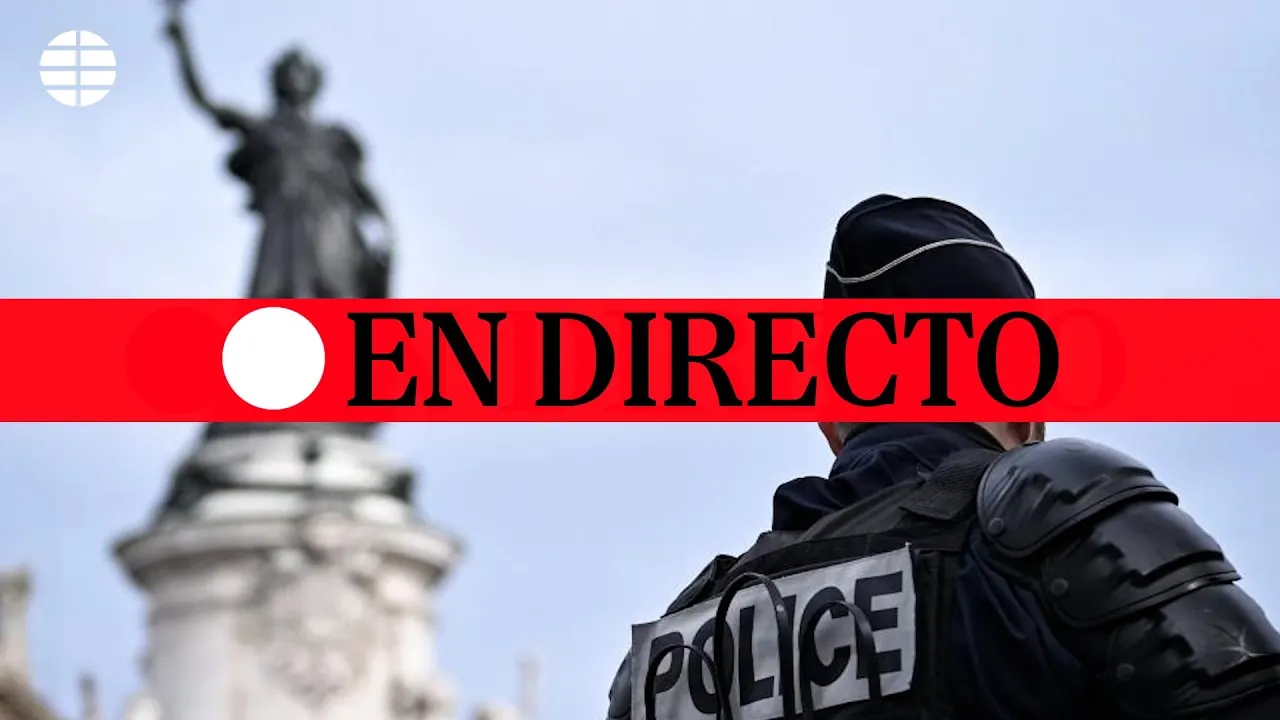
France just saw its biggest day of social protest since students took to the streets a month ago. On Thursday 5 November, between 575,000 and 1.6 million people marched, depending on who is counting.
What happened?
The five main unions called marches and strikes over the high cost of living and the defence of public services. Students and the "yellow vests" protest movement joined in. The Interior Ministry first said 600,000 people, then revised that down to 575,000 across nearly 200 demonstrations. The unions say 1.6 million.
This builds on the nationwide protests of 17 October and the call for a 5 November day of action made on 1 October.
The day was not calm everywhere. Police made 448 arrests and 53 officers were injured, according to the ministry. A Molotov cocktail thrown at an officer is being investigated as attempted murder.
Earlier in the day, a fire started with a firework mortar forced firefighters to evacuate a school in Toulouse. In La Courneuve, near Paris, a 15-year-old was stabbed outside his school, apparently after an argument with another teenager about the blockade.
Tension in Paris
The Paris police prefecture banned the march from heading to Place de la Concorde for security reasons and sent it towards Place de la Nation instead. CGT leader Sophie Binet called the police's behaviour "shameful". She said an approved route was cancelled at the last minute, as in about twenty other cities.
Binet also warned of "hard clashes" in the next phase of the protests.
On the march, teacher Agnes Varenne said it was her fifth time on the street in three weeks. Centre-left presidential hopeful Raphaël Glucksmann was booed by some marchers and left the demonstration.
The winner of the day, politically, may be Jean-Luc Mélenchon's La France Insoumise (the hard-left party). It has capitalised on the protests and is second in the polls, behind far-right leader Marine Le Pen.
What's next?
Prime Minister Sébastien Lecornu has called a "social conference" on Monday with unions and employers. The goal is to "offer answers" on workers' lost purchasing power. The same day he will meet student unions to discuss reforming Parcoursup (France's university admissions platform).
The government has already promised to fill more than 3,000 vacant teaching posts, cap classes at 28 pupils, create a school renovation fund and raise education spending in the budget now debated in the National Assembly.
On Saturday, yellow vests plan an "unauthorised" march at Place de la Concorde.
Story timeline
French nationwide cost-of-living protests · 5 updates
What happened before and after this story. Background events not previously covered were summarised by AI.
More in: News
See all →
Could smoky bacon crisps be banned? Minister tells host to 'get a life'

Bird flu antigen found at duck farm in Jangheung, triggering 24-hour standstill

Erdoğan on the flight home from Seoul: Azerbaijan trip, Putin call and more