Supreme Court: the 24-hour arrest clock starts when police first hold you
India's Supreme Court has ruled that police must produce you before a magistrate within 24 hours of first curbing your liberty, not from when an arrest is logged.
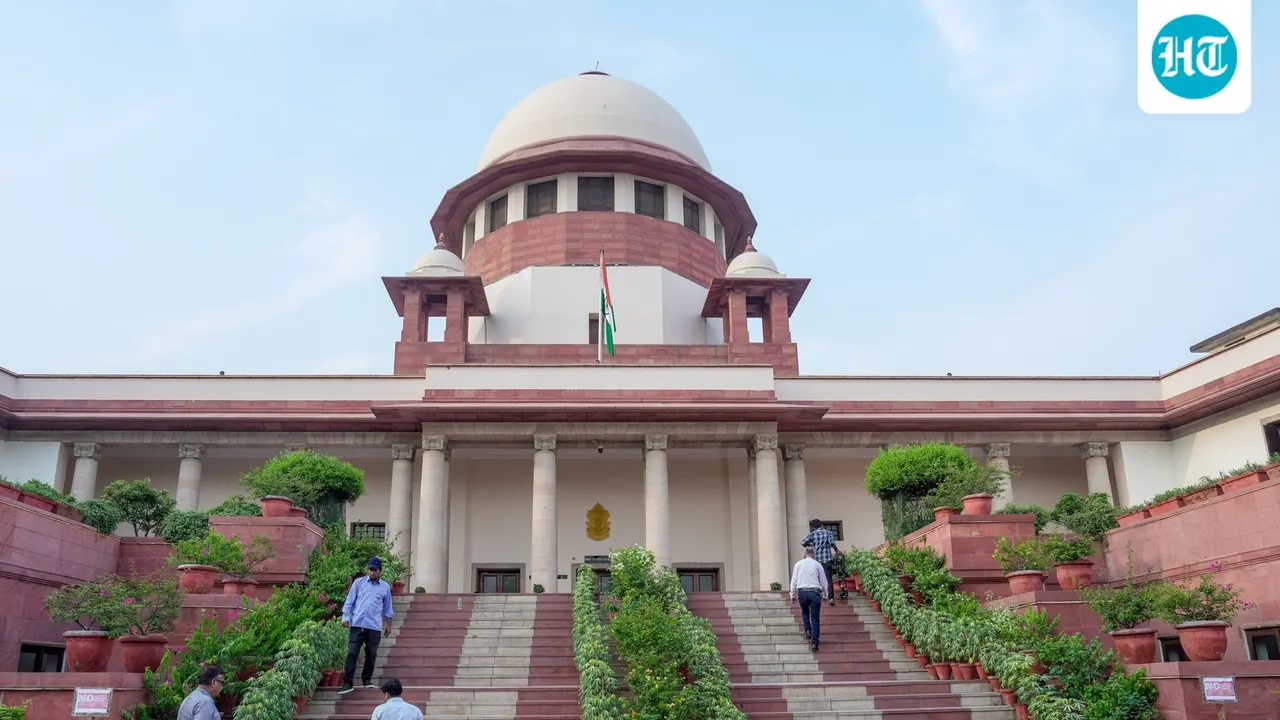
Can police hold you for hours and only then say you were "arrested"? India's Supreme Court has just said no. The 24-hour clock starts the moment your liberty is curtailed.
What happened?
On Thursday, a bench of Justices Ujjal Bhuyan and AS Chandurkar ruled that agencies cannot dodge the constitutional protection against prolonged custody by delaying the formal record of an arrest. Article 22(2) of the Constitution says an arrested person must be produced before the nearest magistrate within 24 hours.
The case involved four people in Tripura, held in a drug case under the NDPS Act (India's narcotics law) over 11.03 kg of yaba tablets. They were detained at 2 pm on September 29, 2025, but shown as arrested only at 11 am the next day. The court said that about 18 hours without judicial oversight breached Article 22(2), and ordered their immediate release.
Why does it matter?
Several high courts, including Orissa, Kerala and Madras, had allowed the time before formal arrest to be left out of the count. The Supreme Court called that "highly problematic and wholly unwarranted" and disapproved of those judgments.
Justice Bhuyan said there is "nothing like a temporary disruption in liberty". The court also held that even someone detained for search and seizure must be produced within 24 hours. A special law, it added, cannot be a guide to the Constitution.
The bench linked the ruling to custodial violence, which it said often happens when people are held without being formally shown as arrested. It cited the Bhagalpur blinding case as one example.
What changes now?
The 24-hour period begins from the date and time a person's liberty is curtailed, including when law enforcement intercepts them. Only the time genuinely needed to travel to the magistrate can be excluded.
Magistrates must now record the exact date and time from which the person's liberty was curtailed, and check whether the deadline was met. If it wasn't, the person has to be released.
Daha önce ne olmuştu?
Article 22(2) has been in force since the Constitution began on January 26, 1950. In 1997, the D.K. Basu case produced binding Supreme Court guidelines on arrest and detention, meant to prevent custodial abuse.
Story timeline
Supreme Court on 24-hour detention rule · 3 updates
What happened before and after this story. Background events not previously covered were summarised by AI.
More in: News
See all →
Could smoky bacon crisps be banned? Minister tells host to 'get a life'

Bird flu antigen found at duck farm in Jangheung, triggering 24-hour standstill

Erdoğan on the flight home from Seoul: Azerbaijan trip, Putin call and more