Germany's driving licence reform: what could cut up to €1,000 off the bill
A German driving licence costs about €3,400 on average. The Bundestag has passed the first part of a reform that the transport minister says could save up to €1,000.
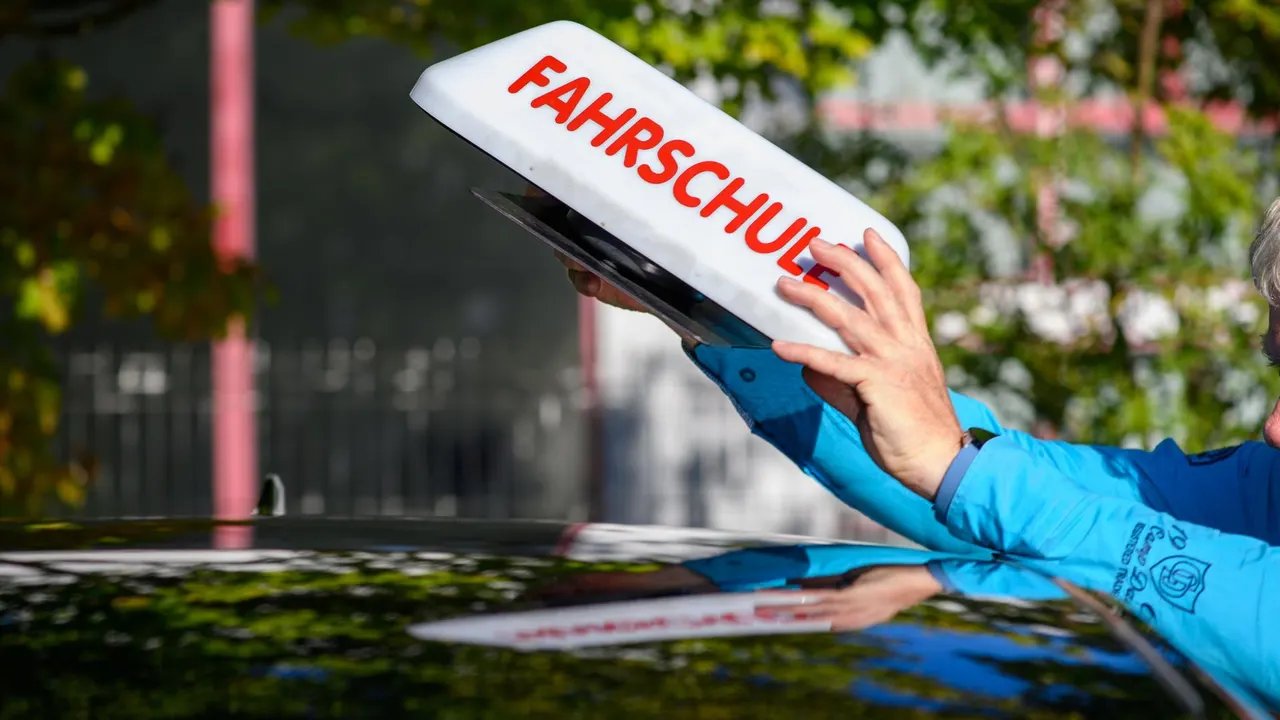
Getting a Class B driving licence in Germany is expensive. Now the Bundestag (Germany's parliament) has passed the first part of a reform meant to change that, with votes from the CDU/CSU and SPD. Here is what's coming:
1. The average cost is about €3,400
According to the federal transport ministry, a licence currently costs roughly €3,400 on average. Germany's statistics office says costs rose 5.8% in 2024. Consumer prices overall rose 2.2% in the same period.
2. The minister promises up to €1,000 in savings
Transport Minister Steffen Bilger (CDU) said learners could save several hundred euros, in the best case up to €1,000. There is no flat price, though. Driving schools still set their own prices.
3. No more mandatory in-person theory classes
Driving schools will be able to offer more digital lessons, including through apps. Rules on classroom requirements and the order of lessons are being scrapped.
4. The theory test gets simpler
The pool of questions will shrink. Each question will count one point, instead of the current two to five error points per question. The ministry says safety-related questions still can't be answered wrongly.
5. The fixed 12 special drives are going
The rule that learners must complete 12 special 45-minute drives, for example in the dark or on motorways, is being dropped. Schools will set the number of lessons based on each learner's skills.
6. You could practise with parents or grandparents
Modelled on Luxembourg and Austria, "Laienausbildung" (training with a lay supervisor) is coming. You could practise with someone close to you. The conditions: a passed theory test and six practical lessons. The supervisor's minimum age, maximum penalty points in Flensburg (Germany's driving offence register) and years of licence ownership aren't in the draft yet. A February outline paper suggested at most one point and seven years. States will be able to trial it for five years.
7. Prices and pass rates go online
Comparing driving schools is hard today, with many price items from basic fees to learning materials. In future, prices and pass rates of all schools are to be published online. Exam fees at TÜV or DEKRA (technical inspection organisations) are set by law.
Next, the Bundesrat (the chamber representing Germany's states) has to approve. The new rules are meant to apply from early 2027 if possible.
More in: Life
See all →
Seoul's children's museum reopens its main gallery after 8 years
Daejeon is building a full marathon course along its three rivers

Seoul opens a free Han River bike station with repair tools next to a ferry pier